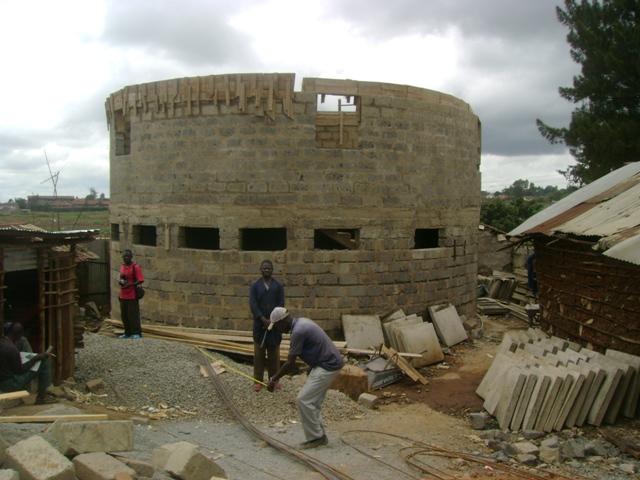

Home Made Welding Machine

Being on the ground in Nairobi makes it a little easier to find good AfriGadget stories. I took a walk down Ngong road, an area with a lot of shadetree mechanics, wood carvers and metal fabricators. The first place I stopped at had a home made welding machine.

Simon, the shop owner, showed me a couple of the machines and gave a video tour of how it works. He’s a prime example how an entrepreneur in Africa will figure out ingenious solutions to meet local market demands. The welders sell for around 14,000 Kenya Shillings (just over $200), but fabrication costs only a small fraction of that.

Below is the video and some pictures. (Another video will be uploaded later, connection speed issues preclude me uploading another one right now).
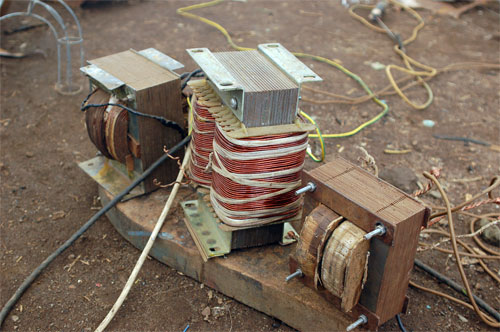
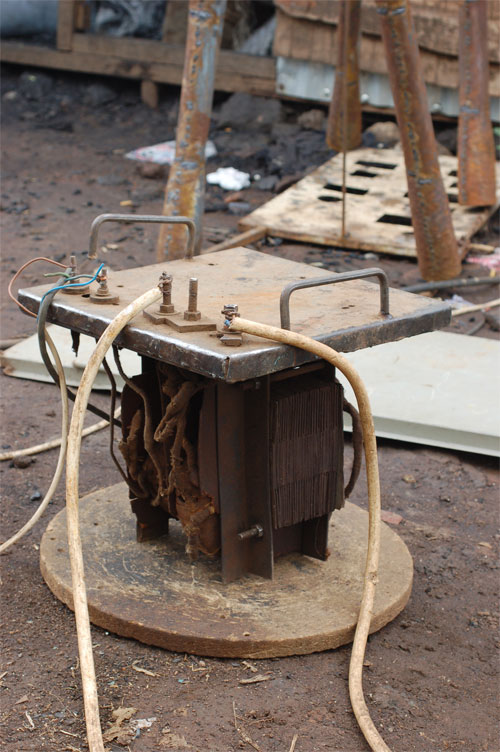
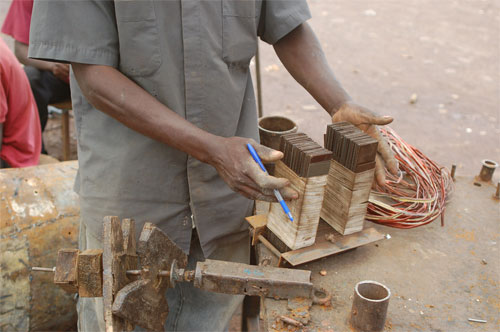
DIY Welder

Home Made Welding Machine in Nairobi, Kenya

Home Made Welding Machine - Parts

Send in your stories of African ingenuity here.

Solar Kiln

The Malindi Handicraft Association (MHA) is one of Kenya’s largest wood handicraft coops in Kenya. They are currently striving to meet fair trade certifications. Part of that certification involves utilizing sustainable woods such as Neem wood. One of the downsides to utilizing Neem is that if it is not dried properly it can cause the carvings to crack. To combat this problem they are utilizing a solar Kiln. Dark sheets located on the roof of the kiln trap solar energy heating up the inside of the Kiln. The Kiln has been outfitted with electric fans so that during the rainy seasons the carvers can still dry their carvings.

Solar Kiln

The SCORE multi-function stove, fridge and electricity generator

An all-in-one cooker, energy generator and fridge could soon be improving quality of life in developing countries, thanks to an international project launched this week.

According to a press release by Paul Riley, SCORE Project Director, the £2m Stove for Cooking, Refrigeration and Electricity (SCORE) project aims to work with rural communities in Africa and Asia, where access to power is limited, to develop a versatile domestic appliance powered by biomass that will significantly improve health and welfare.

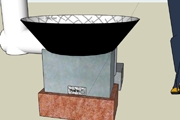
The SCORE device, which is still in the concept stage and is shown in the picture below, will work through the conversion of biomass to sound energy for heating and cooling.

SCORE stove concept

This technology is far more efficient and less polluting than burning wood in an open fire, currently the primary cooking method of two billion people around the world. Dr Pullen(Research team leader) adds:
“Using this technology while ensuring that the device is relatively low-cost and can be produced using local materials and labour is one of the great challenges of this project. Thermoacoustic systems have always been expensive and high-tech – a great deal of the first stage of this project will be taken up with translating the technology into something that can easily be mass produced.”

The SCORE project website can be found here

( via Timbuktu Chronicles )

Solar Power in Madagascar

A small company in Madagascar is working to get electricity to rural areas of the island. This video shows them taking the solar panels around in a van to show people how it works and educate the children on solar power. It’s an interesting video, especially near the end where Bill hooks up his computer to the internet through a satellite connection at night – all powered by the solar panel’s stored energy.


Bio Latrines in Kenyan Slums

Marlies sends us a bunch of pictures and an interesting story on how bio gas toilets in Kibera slum in Nairobi, Kenya are being used:

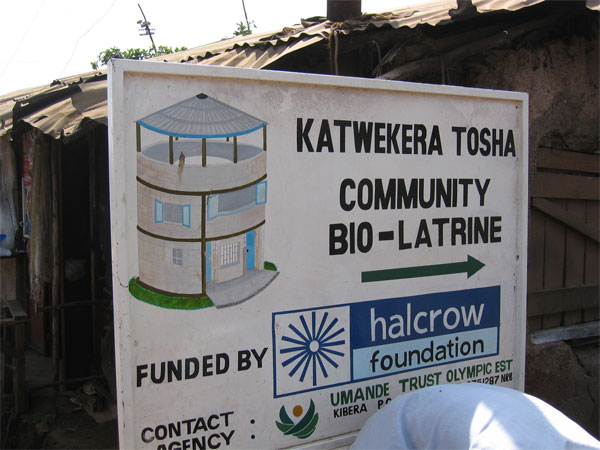
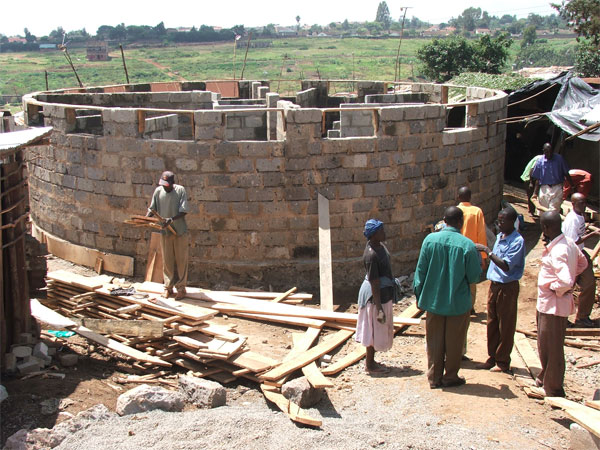
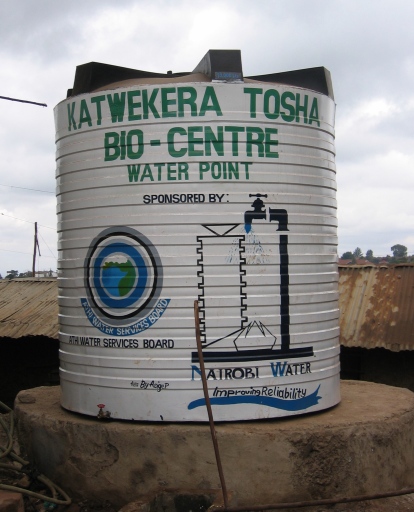
Just the other day on a visit to Kibera Slum I came across this interesting bio gas latrine which is being set up for Kibera people as a response to lacking community toilets. The sanitation situation in Kibera is really really poor! There are a couple of community toilets which where set up after the shooting of the Constant Gardener but only a few years later these are in bad shape! Again, they cost 3/= per visit which is really above of what a typical Kibera inhabitant can afford. Just sum up what it will cost for 5 visits per day for a family of five! So the bio gas latrine is a really good option, since it will generate a little income to make the toilets free of charge.

Here are some pictures:

Kibera bio gas
Kibera Bio Gas Building
Kibera Bio Gas 2

IslamOnline.net has a great writeup on how these work.

[NOTE: If you have any images, stories or reports you’d like others to know about, you can contact us through the AfriGadget contact form. – Thanks Marlies!]

New images! (July 17, 2007). Thanks to Christian Rieck and Marlies:


Bio Latrine - Kibera

Bio Latrine Tower