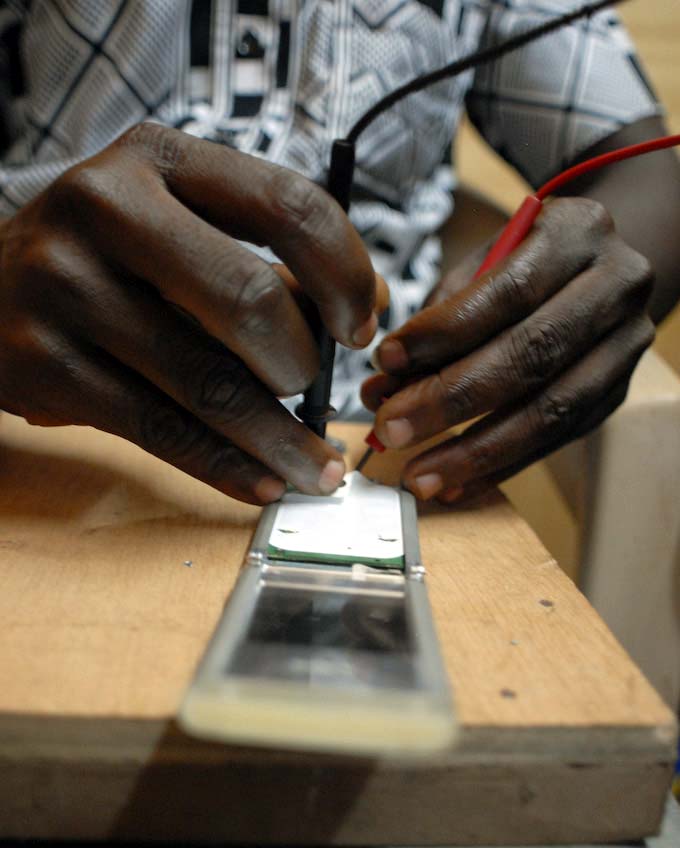
This last week I had the opportunity to catch up with one of my favorite bloggers, Jan Chipchase, while we spoke together on a panel at the Global Philanthropy Forum. Jan works for Nokia as what can best be described as a design and usability ethnographer. He explores the way mobile phones are used worldwide and reports that back to Nokia’s design team. He’s a fascinating person to talk to, and I thought I might highlight some of the stories he’s come up with while exploring in Africa.
 One of the consistent themes of Jan’s message is that it in each country he visits there is a booming market of hackers and mobile phone mechanics who are doing all kinds of interesting things. They are taking the designs of the West and applying them to their lives, modifying them and making them work for their local needs. From Accra to Nairobi, there is always a “cell phone alley” for you to buy, repair or customize your mobile phone.
In a post titled, “Recycled, Upcycled: Remade” he tackles the question of whether it is possible to create a phone completely of recycled parts.
Of all the internal concepts I’ve followed this year this is one I keep returning to, not least because sustainability is a pressing issue in a billion+ products-per-year industry – but also because the team tackled a number of related weighty issues in what was a far reaching project. I hope that in due course more of their design thinking makes it into the public domain, not least to stimulate critical feedback from people like your good selves.
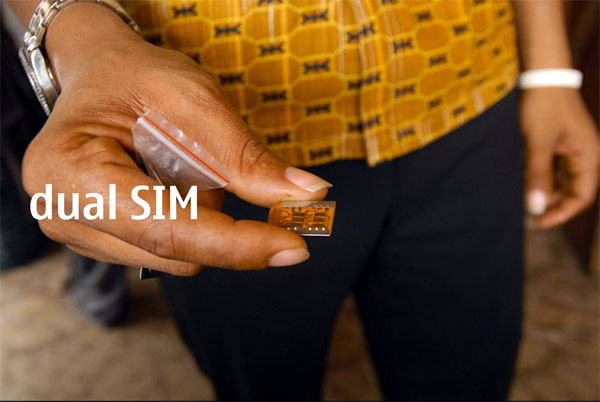
One of the more interesting innovations is the development of a dual SIM card hack so that users can access multiple carriers.
This product has two SIM card slots in a single phone – primarily to support price sensitive/prudent consumers who wish to optimise their call costs by maintaining SIM cards from two different phone operators. As in many countries – calls to a customer using a different Ghanaian operator cost slightly more than those on the same network.
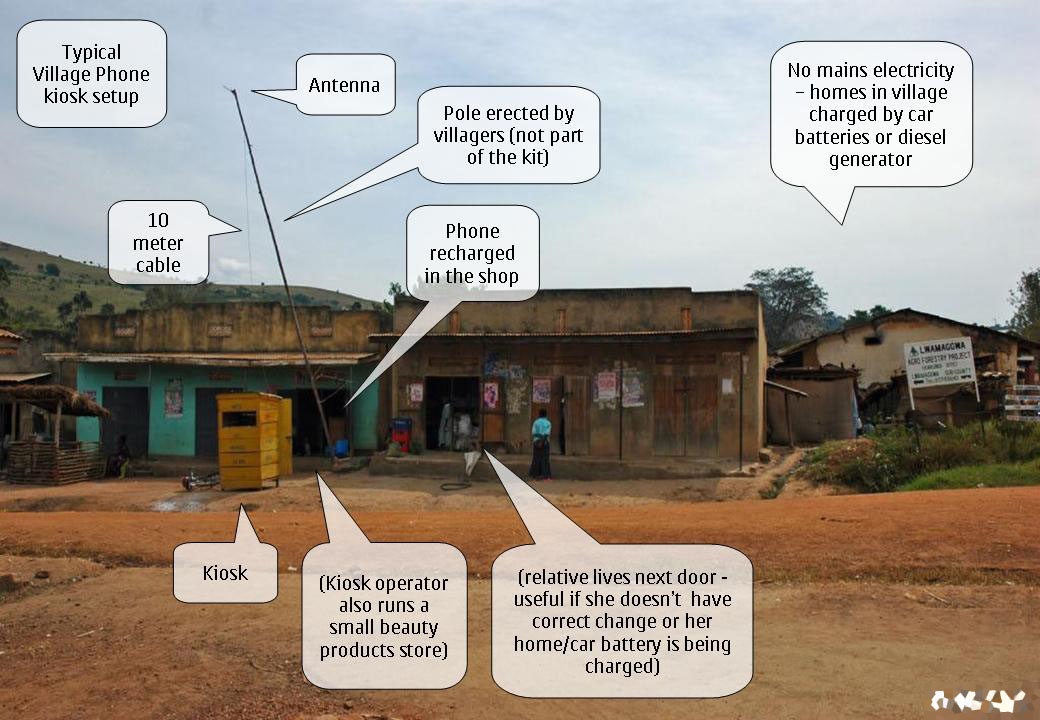
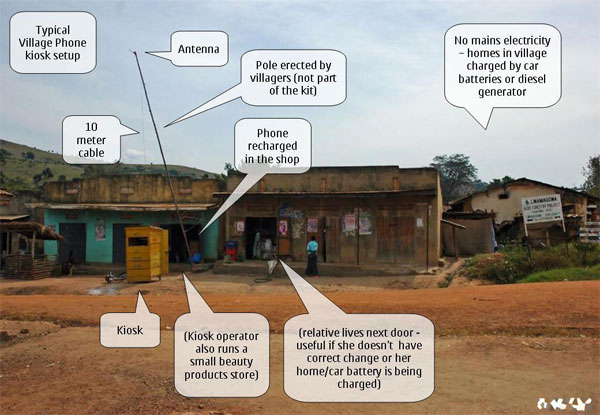
There are many more examples of mobile phone use in Africa and the ingenious solutions that locals come up with for their particular situations on Jan’s blog. The last image that I want to show is of the Village Phone project (by Grameen Bank) happening in Uganda. Jan has taken an excellent picture and annotated it with the important facts about this project in a rural Uganda.
For more information about Jan, read this recent NY Times article about him, and of course subscribe to his blog, Future Perfect.